

Is 80gsm Ivory Paper suitable for calligraphy?
As a supplier of 80gsm Ivory Paper, I often get asked whether this type of paper is suitable for calligraphy. Calligraphy is an art form that requires the right combination of tools and materials to achieve the desired results. In this blog post, I'll explore the characteristics of 80gsm Ivory Paper and discuss its suitability for calligraphy.
Understanding 80gsm Ivory Paper
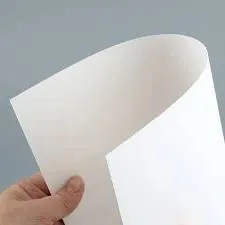
First, let's break down what "80gsm Ivory Paper" means. "80gsm" refers to the paper's weight, which is 80 grams per square meter. This weight gives the paper a certain thickness and sturdiness. Ivory paper, on the other hand, is known for its creamy - colored appearance, which provides a warm and inviting backdrop for writing.
The texture of 80gsm Ivory Paper is typically smooth, which can be beneficial for calligraphy. A smooth surface allows the pen or brush to glide easily, enabling the calligrapher to create clean and precise strokes. However, the smoothness can also have its drawbacks, depending on the type of calligraphy tools being used.
Advantages of Using 80gsm Ivory Paper for Calligraphy
Aesthetic Appeal
The ivory color of the paper adds a touch of elegance to calligraphy. It has a classic and timeless look that can enhance the beauty of any calligraphic piece. Whether you're writing a formal invitation, a decorative poem, or a personal note, the warm ivory hue creates a visually appealing contrast with the ink, making the text stand out.
Ink Absorption
80gsm Ivory Paper generally has good ink absorption properties. When using fountain pens or calligraphy brushes, the paper can soak up the ink without causing excessive bleeding or smudging. This is crucial for calligraphy, as it allows the ink to dry quickly and maintain the integrity of the strokes. For example, if you're using a thick - nibbed fountain pen to create bold, expressive letters, the paper can handle the amount of ink released without spreading it too far beyond the intended lines.
Durability
With a weight of 80gsm, the paper is relatively durable. It can withstand the pressure applied by calligraphy tools without tearing or wrinkling easily. This is especially important when using heavy - handed techniques or when working on larger calligraphy projects that require multiple passes over the same area.
Considerations When Using 80gsm Ivory Paper for Calligraphy
Pen and Ink Compatibility
While the paper has good ink absorption, not all pens and inks are created equal. Some inks may be too thin or too thick for the paper, leading to issues such as feathering (where the ink spreads along the paper fibers) or pooling (where the ink accumulates in one spot). It's important to test different pens and inks on a small sample of the paper before starting a major calligraphy project. For instance, water - based inks may perform differently than oil - based inks on 80gsm Ivory Paper.
Calligraphy Style
The style of calligraphy you're practicing can also influence whether 80gsm Ivory Paper is the right choice. For traditional Chinese or Japanese calligraphy, which often involve using brushes and a lot of ink, a paper with more absorbency and a slightly rougher texture might be preferred. However, for Western calligraphy styles like Copperplate or Spencerian, the smooth surface of 80gsm Ivory Paper can be an advantage, as it allows for the creation of fine, detailed lines.
Comparing with Other Papers
C1s Paper
When considering alternatives to 80gsm Ivory Paper for calligraphy, C1s Paper is often mentioned. C1s Paper, or Coated One Side Paper, has a coated surface on one side. This coating can provide a very smooth writing surface, which may be ideal for some calligraphy styles. However, it may also cause the ink to sit on the surface rather than being absorbed, which could lead to smudging if not handled carefully. You can find more information about C1s Paper on our website.
Other Weights of Paper
Papers with different weights can also have an impact on calligraphy. Heavier papers, such as 100gsm or 120gsm, may be more suitable for calligraphy that involves a lot of ink application or for projects that require a more substantial feel. Lighter papers, on the other hand, may be better for quick sketches or practice sessions.
Tips for Using 80gsm Ivory Paper in Calligraphy
Prepare the Paper
Before starting your calligraphy, it's a good idea to prepare the paper. You can gently smooth the paper with a bone folder or a similar tool to remove any minor wrinkles or unevenness. This will ensure a more consistent writing surface.
Choose the Right Tools
As mentioned earlier, the choice of pen or brush and ink is crucial. Experiment with different nib sizes, brush types, and inks to find the combination that works best with 80gsm Ivory Paper. For example, a medium - nibbed fountain pen with a high - quality ink can produce excellent results on this paper.
Practice Proper Technique
Proper calligraphy technique is essential for achieving good results on any paper. Hold your pen or brush at the correct angle, apply the right amount of pressure, and use smooth, fluid movements. Practice on a scrap piece of the same paper to get a feel for how the tools interact with the surface before starting your final piece.
Conclusion
In conclusion, 80gsm Ivory Paper can be a great choice for calligraphy. Its aesthetic appeal, ink absorption, and durability make it suitable for a wide range of calligraphy styles and projects. However, it's important to consider factors such as pen and ink compatibility and your specific calligraphy style. By taking the time to understand the paper's characteristics and following the tips provided, you can create beautiful calligraphic works on 80gsm Ivory Paper.
If you're interested in purchasing 80gsm Ivory Paper for your calligraphy projects, we'd love to hear from you. We offer high - quality 80gsm Ivory Paper that is carefully manufactured to meet the needs of calligraphers. Contact us to start a discussion about your requirements and let's work together to bring your calligraphy ideas to life.

References
- Smith, John. "The Art of Calligraphy: A Comprehensive Guide." Publisher Name, 20XX.
- Johnson, Mary. "Paper Selection for Calligraphy." Calligraphy Journal, Vol. XX, Issue XX, 20XX.