

How does Ivory Bond Paper compare to parchment paper?
Hey there! As a supplier of Ivory Bond Paper, I often get asked how it stacks up against parchment paper. So, I thought I'd dive into the details and give you the lowdown on how these two types of paper compare.
Appearance and Texture
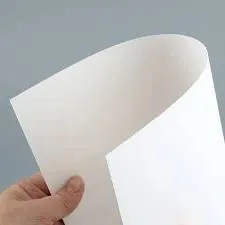
Let's start with the looks. Ivory Bond Paper has this smooth, clean finish that gives it a professional and elegant vibe. It's got that classic ivory color, which is kind of a warm, off - white shade. The texture is nice and even, and it feels really good to the touch. You can tell it's a high - quality paper just by holding it.
On the other hand, parchment paper has a more rustic and natural appearance. It's usually a bit more yellowish and has a somewhat rough, porous texture. It gives off an old - fashioned, antique feel, like it's straight out of a medieval manuscript. If you're going for a traditional or vintage look, parchment paper might be your go - to. But if you want something modern and sleek, Ivory Bond Paper takes the cake.
Durability
When it comes to durability, Ivory Bond Paper is pretty tough. It's made to withstand normal wear and tear, whether you're writing on it, printing documents, or using it for crafts. It doesn't tear easily, and it can hold up well to being folded and bent. This makes it great for things like business letters, resumes, and important documents that need to last.
Parchment paper, however, is a bit more delicate. It's thinner and more prone to tearing, especially if you're not careful with it. While it can work for some light - duty projects, it's not the best choice for something that needs to be handled a lot or stored for a long time. For example, if you're printing a contract that will be signed and filed away, Ivory Bond Paper is a much better option.
Absorbency
Absorbency is an important factor, especially if you're using the paper for writing or printing. Ivory Bond Paper has a relatively low absorbency rate. This means that ink dries quickly on it, and there's less risk of smudging. Whether you're using a pen, a marker, or a printer, the ink stays where it's supposed to be, and the text or images look sharp and clear.

Parchment paper, on the other hand, is more absorbent. While this can be an advantage in some cases, like when you're using water - based paints or inks and want them to soak in and blend, it can also lead to smudging if you're not careful. If you're doing calligraphy or using a fountain pen, you might find that the ink spreads more on parchment paper than on Ivory Bond Paper.
Uses
Ivory Bond Paper is super versatile. It's commonly used in offices for printing reports, memos, and letters. It's also great for school projects, such as essays and presentations. Because of its smooth surface and good print quality, it's a popular choice for businesses and students alike. Additionally, it can be used for crafting, like making greeting cards or origami.
Parchment paper has its own set of uses too. It's often used in the kitchen for baking and cooking. It can line baking sheets, preventing food from sticking and making cleanup a breeze. In the arts and crafts world, it's used for making paper flowers, scrapbooking, and creating a vintage - looking backdrop for photos. But when it comes to more formal writing and printing tasks, Ivory Bond Paper is usually the better option.
Cost
Cost is always a consideration when choosing paper. Ivory Bond Paper is generally more affordable than parchment paper, especially when you're buying it in bulk. This makes it a great choice for businesses and individuals who need a lot of paper for everyday use. You can get a high - quality product without breaking the bank.
Parchment paper, due to its specialized nature and the materials used to make it, tends to be more expensive. If you're only using it for a specific project or in small quantities, the cost might not be a big deal. But if you need a large amount of paper, the price can add up quickly.
Environmental Impact
In today's world, environmental impact is a big deal. Ivory Bond Paper is often made from sustainable sources and can be recycled. Many manufacturers use processes that minimize waste and reduce the use of harmful chemicals. This means that you can feel good about using it, knowing that you're making a more eco - friendly choice.

Parchment paper, on the other hand, can be a bit more of a mixed bag. Some parchment papers are made from natural materials and are biodegradable, but others may have coatings or treatments that make them less environmentally friendly. If you're really concerned about the environment, it's important to do your research and choose a parchment paper that has a good sustainability profile.
C1s Paper - An Option in the Ivory Paper Family
If you're interested in exploring more options within the ivory paper range, you might want to check out C1s Paper. C1s Paper has its own unique characteristics. It has a coated side that gives it a shiny and smooth finish, which is great for printing high - quality images and graphics. It's also quite durable and can be used for a variety of applications, from brochures to packaging. You can learn more about it here.
Conclusion
So, in conclusion, Ivory Bond Paper and parchment paper are both great in their own ways. Ivory Bond Paper is a more practical, versatile, and affordable option for most everyday writing, printing, and crafting needs. It's durable, has low absorbency, and is environmentally friendly. Parchment paper, on the other hand, has a unique look and feel that's perfect for certain applications, like baking and creating a vintage aesthetic.
If you're in the market for Ivory Bond Paper or want to learn more about our products, I'd love to have a chat with you. Whether you're a small business owner looking for office supplies or a creative individual in need of high - quality paper for your projects, we've got you covered. Don't hesitate to reach out and start a conversation about your paper needs.
References
- General knowledge about paper characteristics and uses
- Industry research on paper production and environmental impact