

Can Ivory Bond Paper be used for invitations?
Can Ivory Bond Paper be used for invitations?
As a supplier of Ivory Bond Paper, I often get asked about the suitability of this paper for various applications, especially invitations. In this blog post, I'll explore the characteristics of Ivory Bond Paper and discuss whether it's a good choice for creating invitations.
Understanding Ivory Bond Paper
Ivory Bond Paper is known for its smooth finish, durability, and elegant appearance. The ivory color gives it a warm and sophisticated look, which is often associated with high - end products. It is typically made from wood pulp and is available in different weights and thicknesses.
One of the key features of Ivory Bond Paper is its printability. It can hold ink well, which means that text and images printed on it will be sharp and clear. Whether you're using digital printing or traditional offset printing methods, Ivory Bond Paper can produce high - quality results.
The paper also has good stiffness, which is important for invitations. A stiffer paper will hold its shape better, making it easier to handle and ensuring that the invitation looks professional. Additionally, Ivory Bond Paper is resistant to tearing and wrinkling, which is crucial when you want your invitations to look pristine from the moment they're printed to the moment they're received.
Advantages of Using Ivory Bond Paper for Invitations
-
Aesthetic Appeal The ivory color of the paper adds a touch of elegance and sophistication to any invitation. It is a neutral color that can complement a wide range of themes and color schemes. Whether you're designing a formal wedding invitation, a corporate event invitation, or a birthday party invitation, Ivory Bond Paper can provide a classic and timeless backdrop.
-
Print Quality As mentioned earlier, Ivory Bond Paper has excellent printability. You can print detailed graphics, vivid colors, and sharp text on it. This allows you to create invitations that are visually appealing and convey your message effectively. For example, if you're printing a wedding invitation with a beautiful floral design, the paper will ensure that the colors of the flowers are rich and the details are clear.
-
Durability Invitations are often handled multiple times, from the time they are mailed to the time they are displayed. Ivory Bond Paper's resistance to tearing and wrinkling means that your invitations will stay in good condition throughout this process. This is especially important for formal events where the invitation is not only a means of communication but also a keepsake.

-
Versatility Ivory Bond Paper can be used for a variety of invitation styles. You can emboss, deboss, or foil - stamp on it to add a touch of luxury. It can also be folded, cut, and scored easily, allowing you to create unique and creative invitation designs. For instance, you can create a multi - panel invitation or a pop - up invitation using Ivory Bond Paper.
Considerations When Using Ivory Bond Paper for Invitations
-
Cost Ivory Bond Paper may be more expensive than some other types of paper. However, when you consider the quality and the impression it makes, the cost can be justified, especially for high - end events. If you're on a tight budget, you may need to weigh the benefits against the cost and see if it fits within your financial constraints.
-
Weight Selection The weight of the paper can affect the look and feel of the invitation. Heavier paper will give the invitation a more substantial and luxurious feel, but it may also be more expensive and may require special handling during mailing. Lighter paper, on the other hand, is more cost - effective but may not have the same level of perceived quality. You need to choose the right weight based on your event's formality and your budget.
-
Matching Envelopes When using Ivory Bond Paper for invitations, it's important to choose envelopes that match the color and quality of the paper. You can find ivory - colored envelopes that complement the invitation perfectly. This will ensure that the entire invitation package looks cohesive and professional.
Comparing with Other Paper Options
There are other types of paper that are commonly used for invitations, such as C1s Paper. C1s Paper is a coated paper that has a smooth and shiny finish on one side. It is often used for printing high - quality images and graphics. While C1s Paper can produce very vibrant and eye - catching invitations, it may not have the same warm and elegant look as Ivory Bond Paper.

C1s Paper is also more prone to fingerprints and scratches, which can be a drawback for invitations that need to look pristine. In contrast, Ivory Bond Paper has a more natural and understated appearance, which can be more suitable for formal and traditional events.
Conclusion
In conclusion, Ivory Bond Paper is an excellent choice for invitations. Its aesthetic appeal, print quality, durability, and versatility make it a popular option for a wide range of events. While there are some considerations such as cost and weight selection, the benefits of using Ivory Bond Paper often outweigh the drawbacks.
If you're in the process of planning an event and are looking for high - quality paper for your invitations, I encourage you to consider Ivory Bond Paper. As a supplier, I can provide you with different weights and quantities of Ivory Bond Paper to meet your specific needs. Whether you're a professional event planner or an individual planning a personal event, I'm here to help you create invitations that will make a lasting impression.
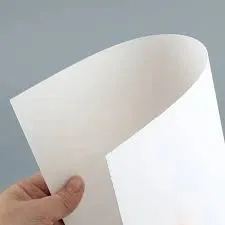
If you're interested in purchasing Ivory Bond Paper for your invitations, please feel free to contact me to discuss your requirements and start the procurement process. I'm looking forward to working with you to make your event invitations truly special.
References
- "The Paper Industry Handbook". This comprehensive handbook provides detailed information about different types of paper, including Ivory Bond Paper and C1s Paper. It covers aspects such as paper manufacturing, properties, and applications.
- "Printing Techniques and Paper Selection". A guide that focuses on the relationship between printing methods and paper types. It helps in understanding how different papers perform under various printing processes, which is crucial when considering paper for invitations.